Nails don’t heal? This may be the cause
Nail turmoil may look like a small problem, but if not treated it can cause severe pain, infection, and make it difficult for everyday movements.
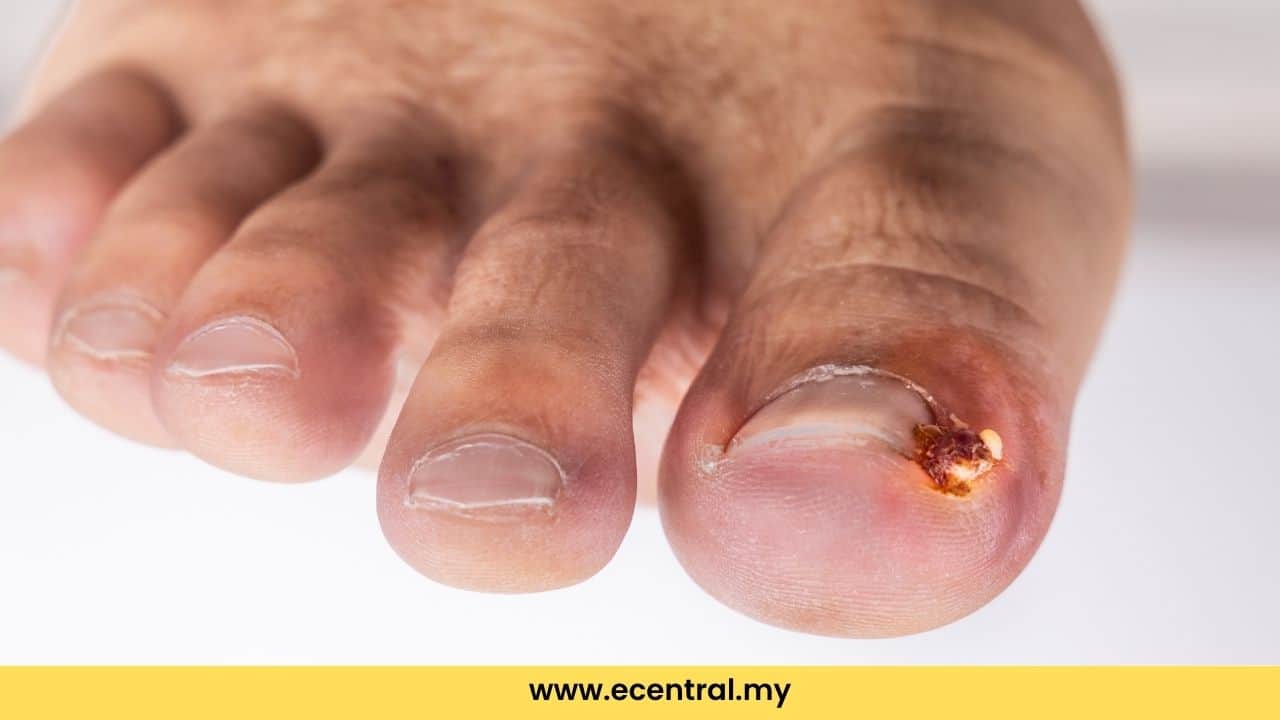
This problem occurs when the edge of the nail grows to the surrounding skin, causing inflammation and discomfort.
This article will explain the causes, signs, appropriate care and preventive measures that can be taken to prevent worse conditions.
Also Read: Boiling In the Back Can Be Repeated? This is how to avoid it coming again
What is Cagus Nail?
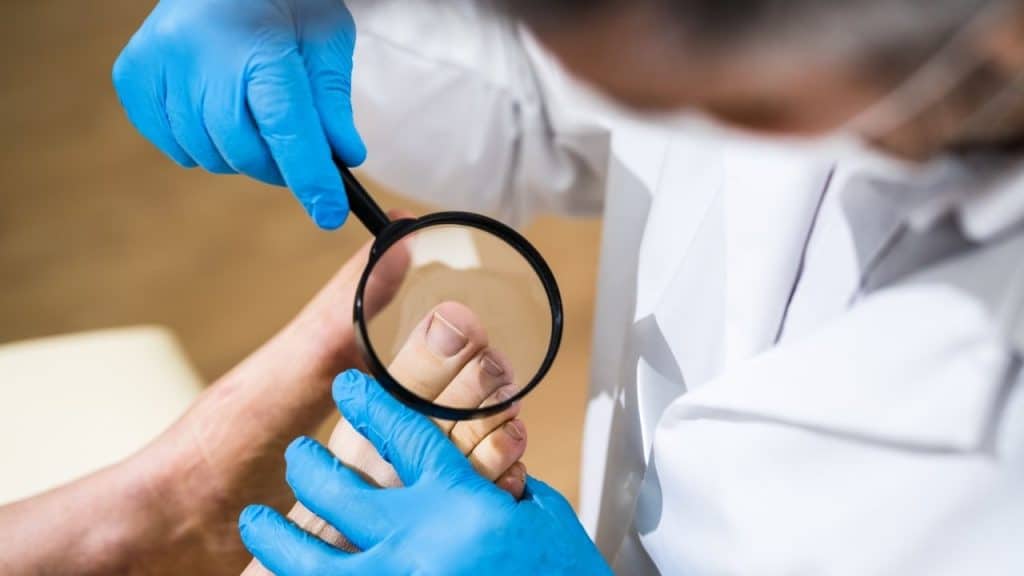
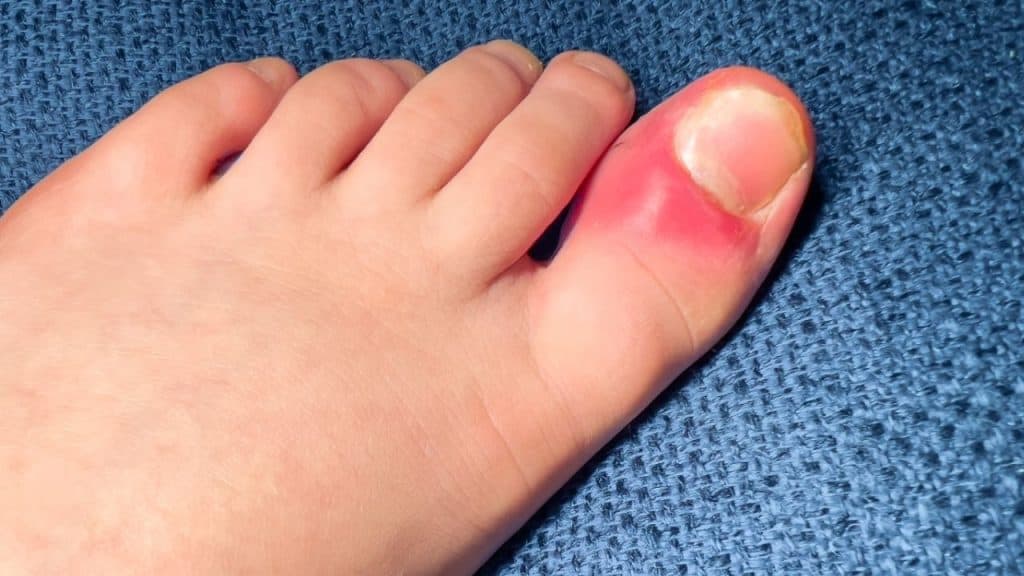
According to American family doctors, cagu nails, or in medical terms known as Onychocryptosisis a common condition where the edges of the toes grow to the surrounding skin (periungual skin).
This condition causes the area around the nail to become inflammation, swelling, and in many cases can be infected with germs.
Nail nails most often occur in the thumb (Hallux) and can attack anyone, but more often happens among teenagers and young people.
If not treated, nails can cause severe pain, discomfort when walking, and in more serious cases can affect a person’s daily movements.
Causes of nails
1. Wear shoes that are too tight
Shoes are narrow or too tight, especially in front, put constant pressure on the toes.
This pressure pushes the nails toward the surrounding skin, especially on the nail wall (medial) and outside (lateral).
When nails are pressed abnormally, they tend to grow to the skin, trigger inflammation and pain.
2. Wrong nails
Cutting nails that are too short or in round form can cause soft tissue on the side of the nail to be exposed to pressure.
This allows nails to grow abnormally into the skin. Nails must be cut straight to avoid the risk of nail polish.
3. Excessive sweat (hyperhidrosis)
Many sweat causes the skin around the nails to become moist and macteria.
This condition makes the skin more easily penetrated by planting nails, then causing nail polish problems, especially if the feet are often covered without good ventilation.
4. Nail infection
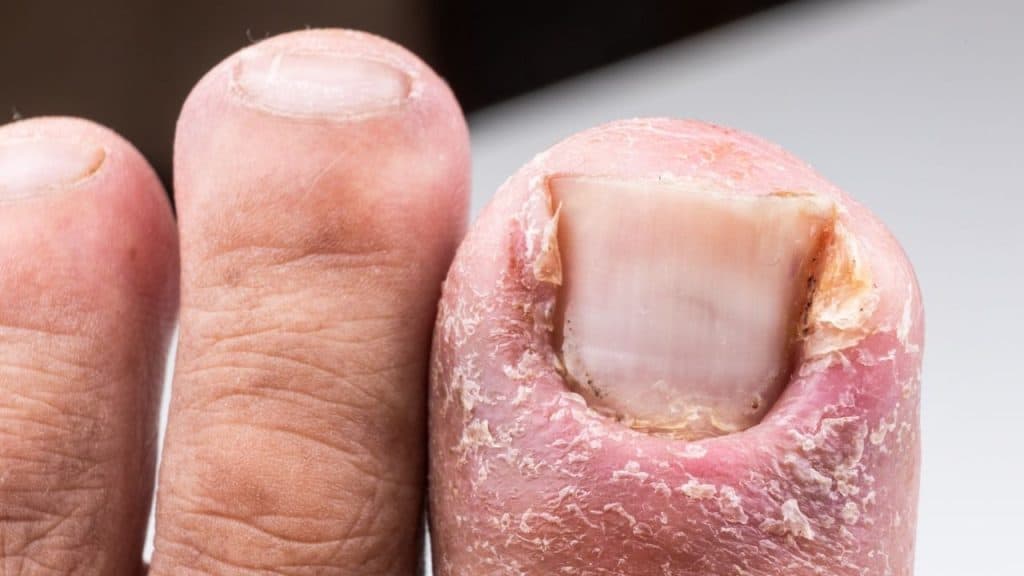
Infections such as purple tinea (nail fungus) can cause nails to become brittle and easily damaged.
The sharp part of the nail as a result of this fraction can stab into the skin and cause it to the painful nail claws.
5. Abnormalities in the structure of the nails and toes
Abnormal nail shape, such as nails too curved (clamp nails), nails are too thin, or inappropriate nails from birth can contribute to nail claws.
In addition, medial rotation also increases the risk of abnormal nails to the skin.
6. Certain genetic factors and health problems
In some cases, nails occur since the baby due to congenital or trauma during the uterus. This can also be inherited from family members who have the same problems.
Diabetes patients are also more likely to have nail cago because they are more likely to be for infection and blood circulation problems.
7. Side Effects of Drugs and Tumors
Some types of drugs such as indinavir, retinoids, cyclosporine, and oral antifungal treatment have been reported to cause abnormal nail growth.
In addition, the tumor under the nail (symbolized neoplasma) can push the nails towards the skin and trigger nail tea.
Also read: How to Get Rid of Pot and Avoid Back – Leather Tip
Symptoms & symptoms
According to the American College of Food and Ankle Surgeons, symptoms and symptoms are as follows:
Level 1
- The tip of the toes becomes reddish and slightly swollen
- May feel warm and painful when touched
- No pus or liquid from the area
Level 2
- His toes turn red, swollen and feel more painful
- May come out of a white or yellow stain from the nail area
- Infection may have started
Level 3
- Symptoms of redness, swelling and pain become worse
- Granulation tissue (more meat) begins to form, causing swelling and pus fluid
- The skin around the nails (nail folds) becomes thick or more growing
- Infection can be more serious and accompanied by fever
Treatment that might be given
According to the National Center for Biotechnology Information, care that can be given to overcome this problem is as follows:
1. General steps
Early treatment for light to moderate nail polish (levels 1 and 2) involves changes in lifestyle and foot care.
This includes wearing the right shoes (not too narrow), cutting straight nails and not too short, and preventing cutting nails on the side.
Factors that contribute such as excessive sweating (hyperhidrosis) and nail fungal infections (onychomycosis) must also be treated.
Soak the feet in warm water mixed with epsom soap or salt for several minutes can reduce swelling and pain.
The use of antibiotic creams and topical steroids in granulation tissue also helps reduce inflammation.
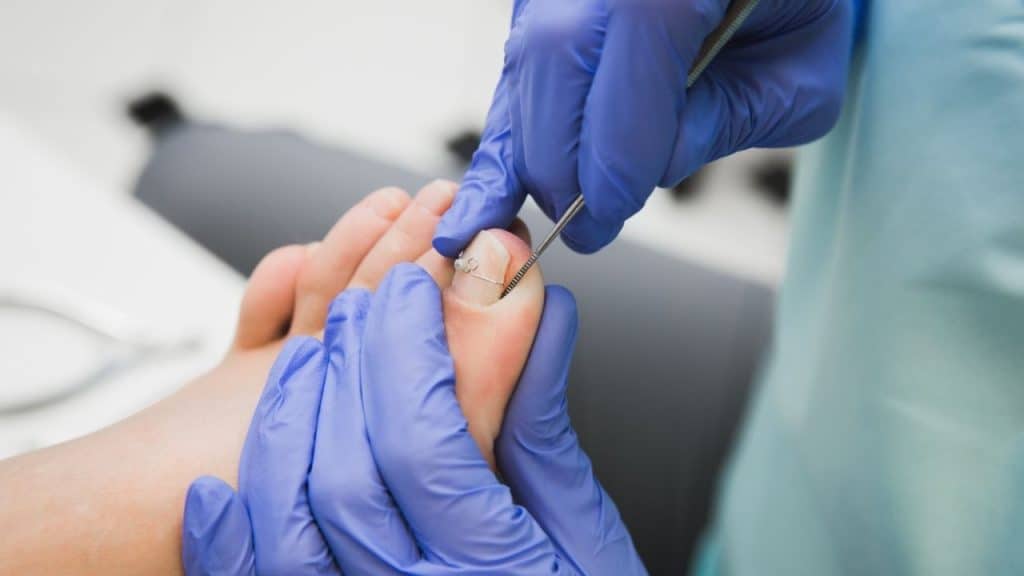
2. Conservative methods
In cases of nails that are not too bad, some techniques can be tried:
- Kaedah cotton (cotton-wick): Smooth cotton is placed under the tip of the nail that enters the skin to spread the nails from the skin.
- Dental floss: As an alternative to cotton, threads are put under the nails that grow inside to reduce pressure.
- Gutter Splint/Arm: Small plastic tubes (like tube IV) cut and squeezed on the side of the nail to hold nails to avoid pressing the skin, giving direct relief.
- Adhesive ribbon method (recording): The ribbon is installed and wrapped with fingers to pull the skin from the nails, reduce pressure on the affected area.
- Nail wiring (nail cable): Elastic wire is put into the tip of the nail to improve the shape of the nail that is not normal.
- Technique: Such as the use of fake nails (acrylic nails), typical ribbon paths (slit tape), and nail alignment (nail braces).
3. Surgical Method
For stage 3 nail claws or repeated cases that no longer respond to conservative treatment, surgery is usually needed. This procedure is carried out under local anesthesia using lidocaine or other anesthesia. General surgical methods include:
- Excision of partial spicial and matrixy: Remove the nail parts that grow inside and some of the nail matrix mechanically.
- Chemical partial matricectomy: Chemicals such as phenols are used to destroy some nail roots. This method is less painful and shows a high level of success.
- Nail sliced resection and nail folds: Involves cutting nails, matrices, and thick tissue – but is not widely recommended due to the risk of complications.
- Excision of affected nails and total matrix: Used in cases or nails that are very severe -really damaged, where all nails and matrices are removed.
- EXISTING TECHNIQUES OF SOFT NAW NAW: This method does not touch the nails but removes the surrounding tissue that presses the nails. It is suitable if the nails are not the main cause of the problem.
- Technique: Including treatment with electrocoon, radiofrequency, and laser carbon dioxide – which is increasingly widely used as a treatment for modern choice.
How to avoid nails
Nail claws can be prevented from the beginning with a few simple steps such as:
- Practicing proper nail care
- Avoid cutting nails too short
- Wear comfortable shoes
- Use protective shoes to avoid injury to the toes if you are active in sports or often lifting heavy items
- Keep your feet clean and dry to prevent fungal or bacterial infections
Also read: Scalp Problems: Causes, How to Prevent and Care
When to see a doctor
Although light nails can be treated at home, there are several conditions that require immediate medical attention. You should see a doctor if:
- Home care does not show changes or worsening conditions.
- Your fingers are very painful, swollen, and removing pus, a clear sign of infection.
- You have a high fever, your body feels hot or shivering, this can show that the infection has spread.
- You have diabetes and have nail lime, foot problems for diabetes patients can be more serious and high risk if left untreated
In such cases, professional care is very important to avoid complications that can affect long -term health.
Game Center
Game News
Review Film
Berita Olahraga
Lowongan Kerja
Berita Terkini
Berita Terbaru
Berita Teknologi
Seputar Teknologi
Berita Politik
Resep Masakan
Pendidikan
Berita Terkini
Berita Terkini
Berita Terkini
review anime
Gaming Center
Originally posted 2025-06-09 08:24:41.