Who can say hello? These are Mahram Men & Women
Who Can We Greet? This is Male & Female Mahram – JAKIM
Welcoming this glorious day, it is certain that many relatives, friends and family members will meet and visit each other.
In the excitement of celebrating Hari Raya, don’t forget the prohibitions that Allah has outlined so that our Hari Raya will be blessed. One of them is by maintaining social boundaries and with whom we can shake hands.
Come on, read the guide shared by JAKIM below.
READ ALSO: Aqiqah Assembly – Law, Legal Requirements, Assembly Program & Prayer
The Concept of Mahram & Non-Mahram in Islam
In Islam, the concept of mahram and non-mahram plays an important role in determining social boundaries between men and women.
Mahram refers to individuals who are prohibited from marrying forever for three main reasons:
- Blood relationship (lineage) – Example: mother, daughter, sister.
- Nursing relationship (radha’ah) – Example: nursing mother, sibling.
- Marital relationships (discourse) – Example: mother-in-law, daughter-in-law.
Those who are not mahram are people who are allowed to marry or who do not have a permanent relationship that prevents marriage, for example cousins, friends or neighbors who are not related by blood or blood.
Who Can I Say Hi? The answer is, with the mahram. You need to know who your mahram is, both male and female.
Difference between Mahram and Muhrim
Many are confused between the terms mahram and muhrim, what is the difference between the two?
- Mahram: Related to family law (who is forbidden to marry).
- Muhrim: Refers to people who are in ihram (hajj/umrah) and must avoid certain prohibitions.
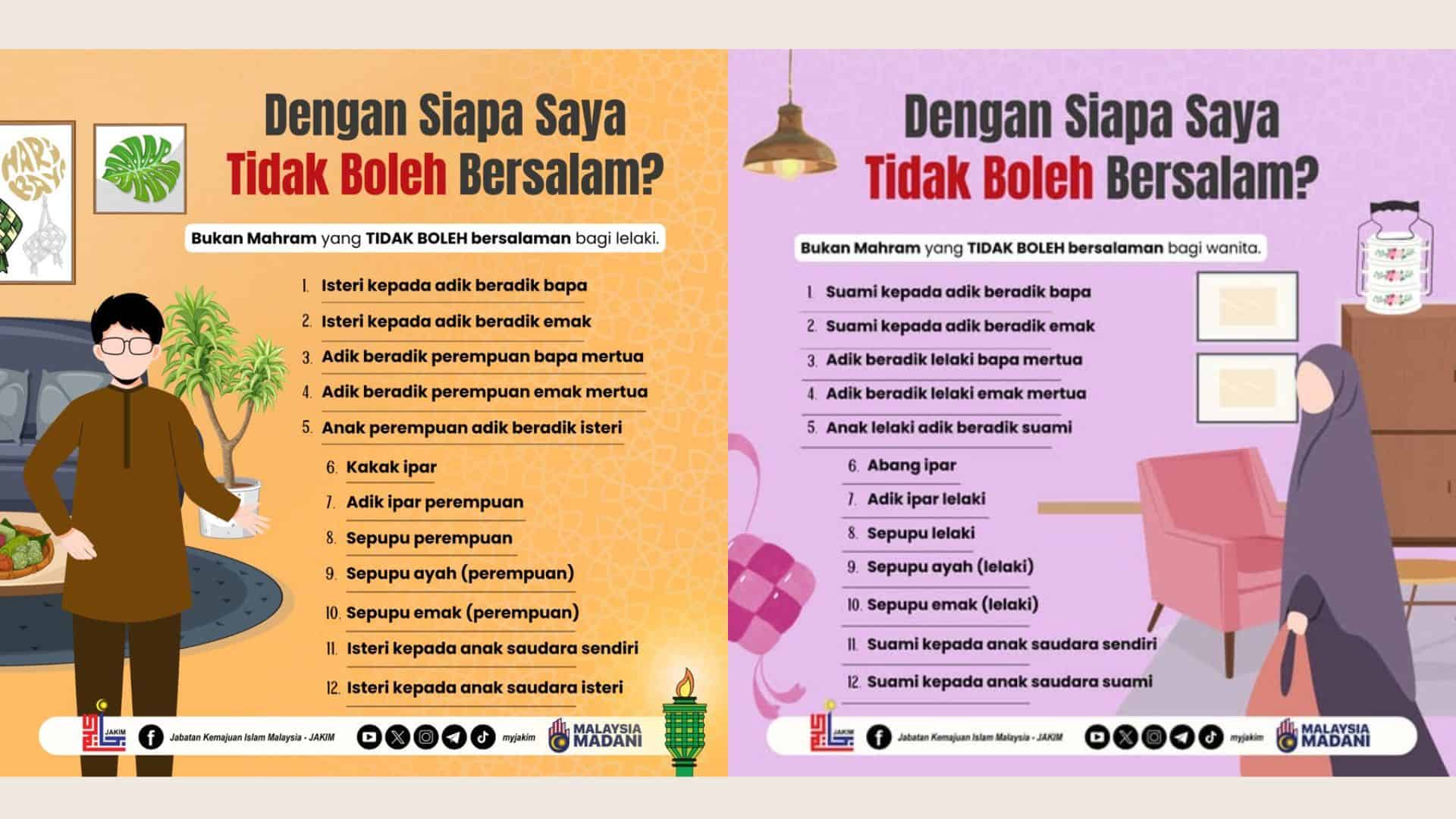
Who Can I Say Hi?
Non-Mahram who CANNOT shake hands with men:
- The wife of my father’s brother
- Mother’s sibling’s wife
- Father-in-law’s younger sister
- Mother-in-law’s sister
- Daughter of wife’s sister
- brother-in-law
- Brother-in-law
- Female cousin
- Father’s cousin (female)
- maternal cousin (female)
- The wife of her own nephew
- The wife of the wife’s nephew
![Who Can I Say Hi? - Concept of Mahram & Non Mahram [JAKIM]](https://lh7-rt.googleusercontent.com/docsz/AD_4nXdl4LPzSFRq4Eqzkt-Zqa1ElxE6i3nCPFlonqRP6_iQnTBF1wok_ww0K0uH4Kt-I9efy4QyUT_yKFEiJ3DwPBPUXiIsZa7y6GcsoB4ejoxscLbZLnsQ0GCQ40ho70VdRmOIPc9r3Q?key=IiZkRWd1TnWzRGmUGBgxWQc3)
Non-Mahrams who SHOULD NOT shake hands with women:
- Father’s sibling’s husband
- Mother’s brother’s husband
- Father-in-law’s brother
- Mother-in-law’s sister
- Son of husband’s brother
- Brother-in-law
- Brother-in-law
- Male cousin
- paternal cousin (male)
- maternal cousin (male)
- Husband of his own nephew
- Husband of husband’s nephew
![Who Can I Say Hi? - Concept of Mahram & Non Mahram [JAKIM]](https://lh7-rt.googleusercontent.com/docsz/AD_4nXe6K5iEvYSaaPvIQZSI0V0j0oSSa5xAvDcNzOg2XYQf-QVH3V6VoFQD6ThMB9fj8ZAlg3MRDMtAZ1oFKmR9HhATuo_I0_JPGRbGSidexidRBjjoO0ifQsjezOFhEZf9-758hh5-xw?key=IiZkRWd1TnWzRGmUGBgxWQc3)
Laws on Contact with Non-Mahram
Islam prohibits and confirms the law haram Direct contact between men and women who are not mahram includes shaking hands except in emergencies such as seeking treatment.
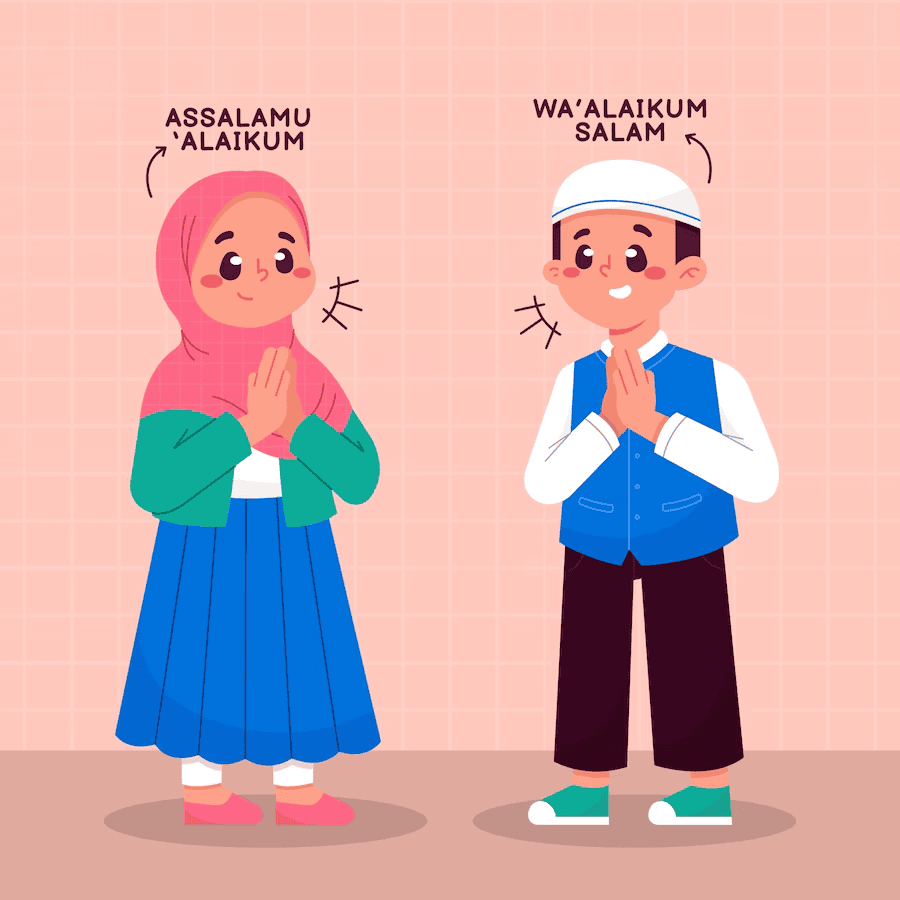
From Muhammad bin Munkadir RA said, I heard from Umaimah bint Ruqaiqah narrated:
I came to the Prophet Muhammad SAW, along with some women to pledge allegiance to him, and he said to us, “As far as you are able and capable, I do not shake hands with women.”
Meaning: When I came with a woman to pay allegiance to the Prophet SAW, His Majesty SAW said: “I promise allegiance (agreement) to what you are capable of and are fighting for, but I do not shake hands with women.” – History of Ibn Majah (2984)
Likewise with the hadith from Saidatina A’ishah R. Anha which says:
For God’s sake, his hand never touches a woman’s hand when saying allegiance. He would not pledge allegiance to them except by saying:
Meaning: By Allah, the hand of Rasullullah SAW was never touched by a woman (not a mahram) even in a bai’ah (agreement. They only gave bai’ah with words only. – Narrated by Imam Bukhari (4891)
Tips to Avoid Shaking Hands
There are many ways to politely avoid shaking hands with ajnabi (non-mahram). Here are some tips that may help:
- Firm and Clear Attitude: When meeting Ajnabi, politely convey that you do not want to shake hands.
- Use Non-Verbal Signals: Showing an attitude of not being ready to shake hands, such as moving your hand away or looking away. You can also use gestures such as placing your hands on your chest or clasping your hands together as a sign of respect.
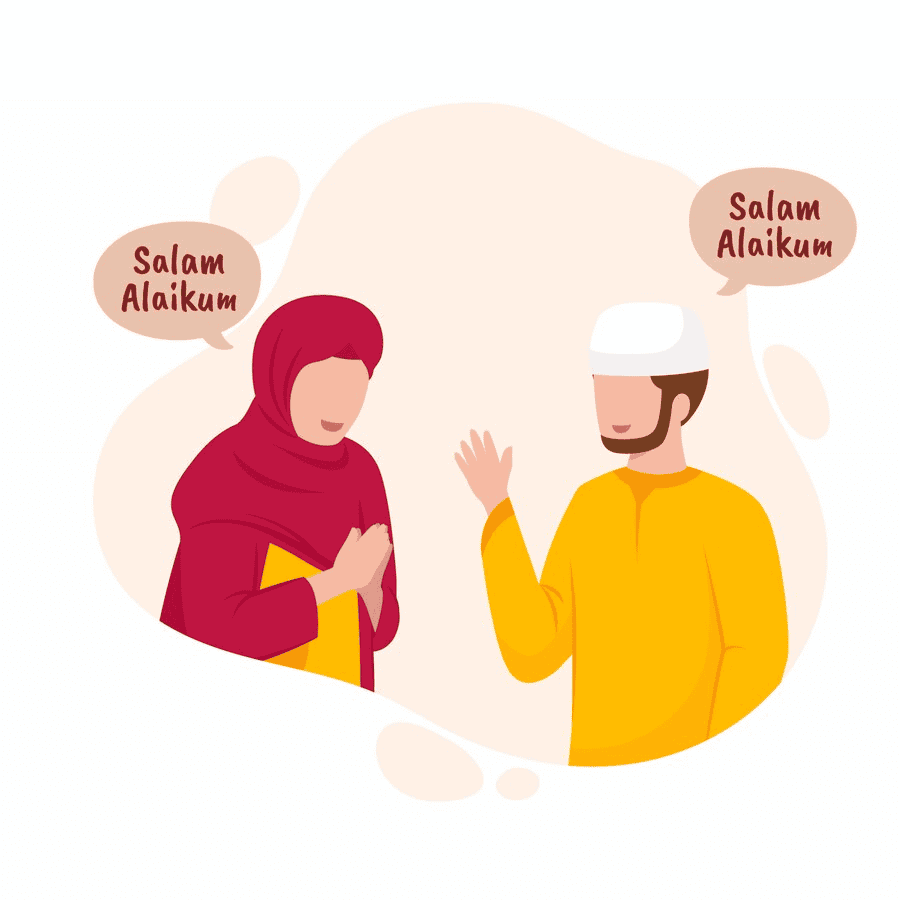
- Be Friendly Without Touching: You can still show friendliness through a smile or greeting without having to make contact.
- Create Alternative Situations: If possible, create a situation where shaking hands is not necessary. For example, when meeting in large groups, focus on verbal interactions.
- Choose a suitable time and place: Avoid situations where shaking hands might be expected, such as formal events or more intimate social gatherings.
- Provide Explanations If Necessary: If someone questions your decision, give a brief explanation of your religious beliefs without feeling the need to be overly defensive.
- Be an Example: Show others that you respect these boundaries consistently. This can influence others to respect your choices as well.
READ ALSO: Ruling on Fasting After 15 Shaban
Reference:
PakarPBN
A Private Blog Network (PBN) is a collection of websites that are controlled by a single individual or organization and used primarily to build backlinks to a “money site” in order to influence its ranking in search engines such as Google. The core idea behind a PBN is based on the importance of backlinks in Google’s ranking algorithm. Since Google views backlinks as signals of authority and trust, some website owners attempt to artificially create these signals through a controlled network of sites.
In a typical PBN setup, the owner acquires expired or aged domains that already have existing authority, backlinks, and history. These domains are rebuilt with new content and hosted separately, often using different IP addresses, hosting providers, themes, and ownership details to make them appear unrelated. Within the content published on these sites, links are strategically placed that point to the main website the owner wants to rank higher. By doing this, the owner attempts to pass link equity (also known as “link juice”) from the PBN sites to the target website.
The purpose of a PBN is to give the impression that the target website is naturally earning links from multiple independent sources. If done effectively, this can temporarily improve keyword rankings, increase organic visibility, and drive more traffic from search results.